Do you have undiagnosed diabetes?

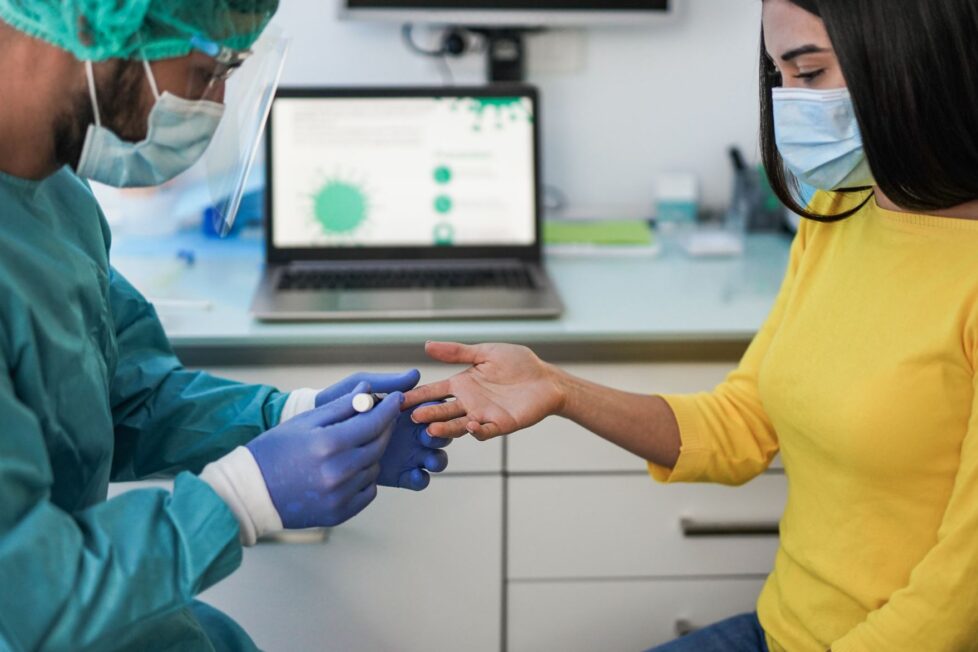


(StatePoint)
Diabetes is a chronic condition that leads to serious life-threatening complications, however many people go undiagnosed and are undertreated — a situation being further exposed by the COVID-19 pandemic. November is Diabetes Awareness Month, and a good opportunity to better understand risk factors, symptoms and the importance of early diagnosis and action.
More than 34 million people in the United States are affected by diabetes, and one-in-five of them are undiagnosed, according to estimates from Centers for Disease Control and Prevention. Health services organization Cigna reports that between January 2020 and June of 2021, nearly 800 of its patients who were diagnosed with COVID-19 were found to have undiagnosed diabetes. Only 14% of those people had previously been diagnosed with pre-diabetes.
So why are so many people living with diabetes going undiagnosed? Cigna claims data shows that those at higher risk of having social or economic obstacles to health, also had a higher risk of undiagnosed diabetes and COVID-19, which can compound problems.
“As is the case with many medical conditions, timely diagnosis and treatment of diabetes is impacted by persisting health inequities that affect certain communities and populations,” says Dr. Mandeep Brar, Cigna medical director and board certified endocrinologist. “Factors such as race, ethnicity, access to healthful food, education, health care coverage and language barriers, to name a few, all contribute to undiagnosed cases of diabetes.”
However, according to Dr. Brar, early diagnosis is critical for everyone: “When diabetes is left untreated, it will progress, causing complications such as neuropathy, kidney disease, diabetic ulcers and wounds, amputations and other serious and life-threatening issues. If you’re living with diabetes, the sooner you’re aware of that, the more quickly you can learn to manage your condition and prevent it from advancing.”
According to Cigna, here are three steps everyone can take today:
Click here for a quick, online Type 2 diabetes risk test.
This Diabetes Awareness Month, get savvy about the disease. Understanding symptoms and risk factors can mean early detection and better outcomes.