As COVID anxiety grows, tips to avoid crisis and conflict



(StatePoint)
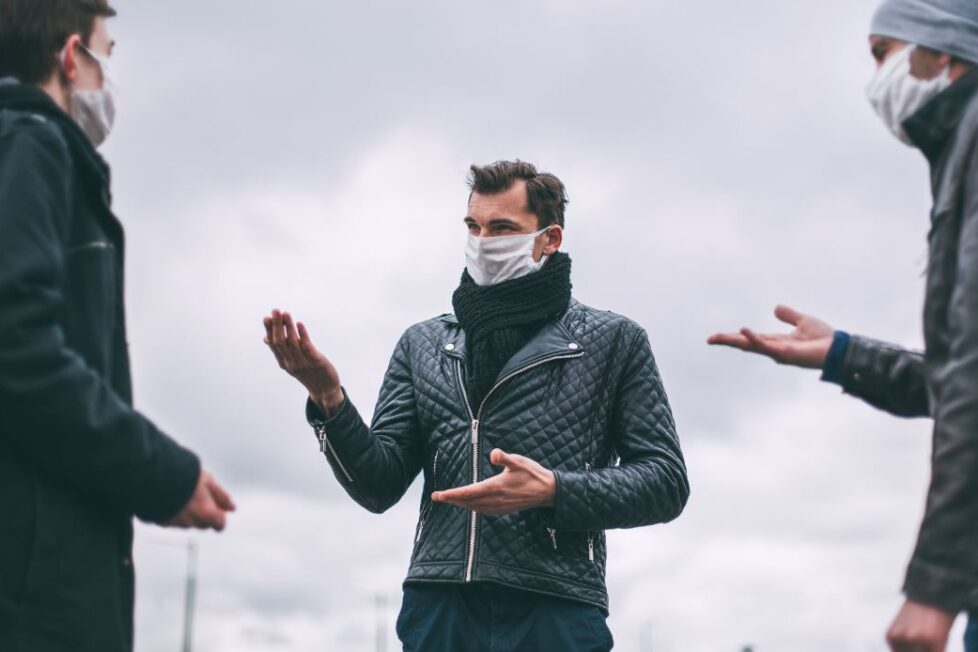
Among mask mandates, social distancing, outspoken political views and personal challenges from the COVID-19 pandemic, there is a heightened risk for public spaces turning into places of conflict.
According to experts at the Crisis Prevention Institute (CPI), the global leader in de-escalation training for over 40 years, mentally preparing and practicing responses can best ensure non-confrontational experiences. Potential challenging situations could include disagreements over mask requirements or social distancing, family gatherings, shopping lines, acclimating to more densely populated work environments or navigating political discussions.
“Having trained teachers, nurses and others who interact with the public, and being a social worker myself, I know the immense need for de-escalation training in the workplace and in everyday life,” says Amber Belle, a global CPI trainer. “Learning conflict-prevention techniques can help ensure you have positive experiences in your community.”
CPI has identified probable areas of conflict and how to best mitigate tension. They recommend embracing four simple techniques to prevent and reduce conflict:
• “Yeah. This year has been difficult on everyone.”
• “I can understand where you’re coming from.”
• “We’ll all be glad to have this pandemic behind us.”
Over four decades, CPI has trained more than 15 million individuals in its techniques, spanning many industries and professions, especially health care and education. CPI tracks violent incidents in the industries it trains, and data shows that de-escalation skills, when used correctly, can quickly decrease violence regardless of the industry.
For more de-escalation tips and information on de-escalation, visit www.crisisprevention.com.
During a particularly tense time in our nation’s history, having a few techniques at the ready can help you avoid conflict wherever you are.